By: Rameez Khizer
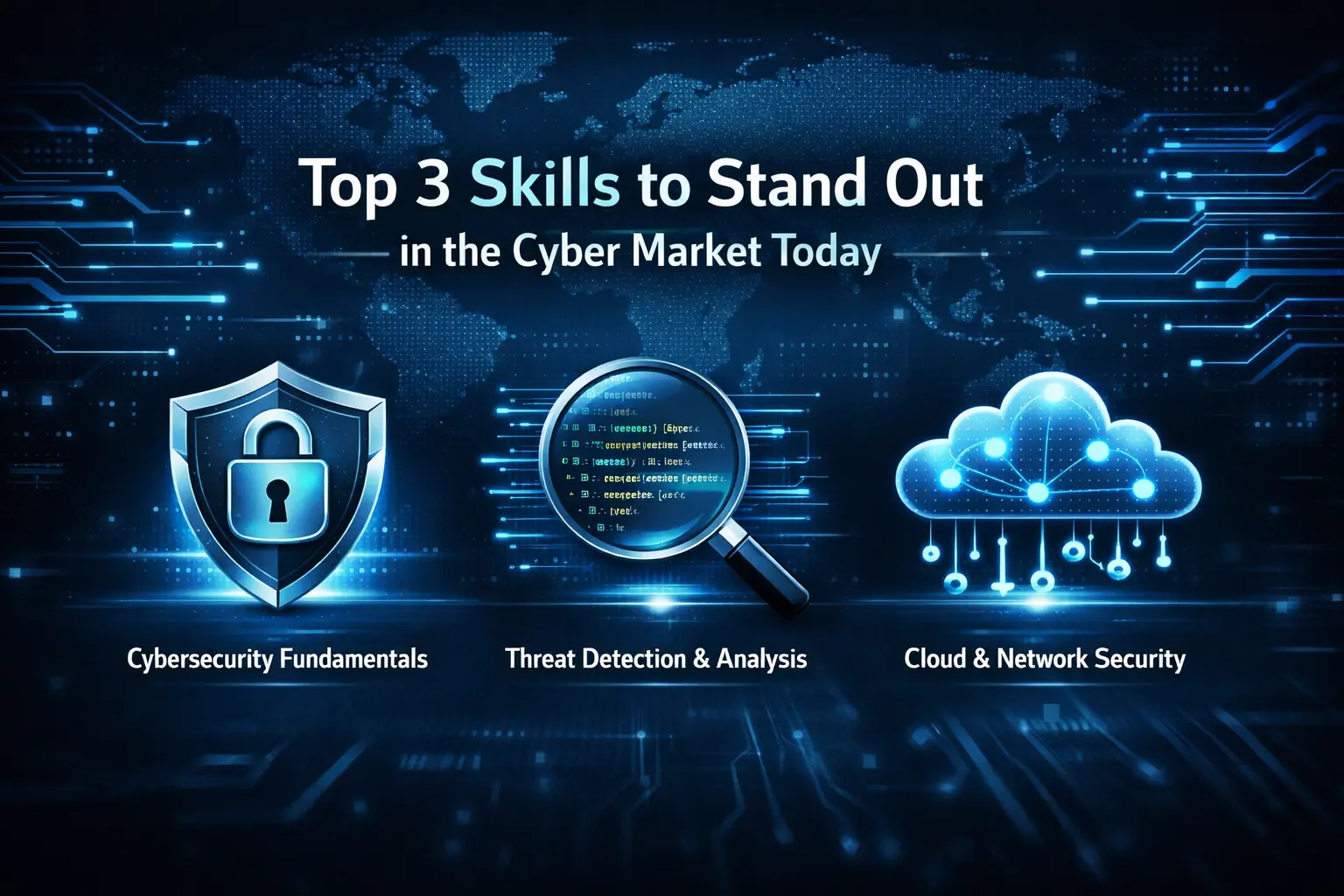
In today’s competitive and limited cyber job market it is crucial to stay up to date with current trends and knowledge needed to be valuable for companies looking to hire. I will address 3 skills that can turn your average cyber professional into a valuable one.
Cloud Computing: Knowing cloud computing is crucial because more businesses are headed in that direction due to cloud offering scalability, cost savings, flexibility, and enhanced innovation. This allows companies to adapt quickly, support remote work, reduce IT overhead, and leverage advanced tools like AI. This ensures business continuity through features like disaster recovery. It's the backbone for accessing services, storing data, and enabling digital transformation for businesses of all sizes, from startups to large enterprises. Understanding Cloud computing services such as Salesforce, Microsoft 365, AWS and Azure means you will be able to lead, support and develop whichever direction your next company wants to go in when it comes to cloud. Linux: Knowing Linux is unique in tech because it powers most servers, cloud infrastructure (AWS, Azure), and Android, offering deep control, security, and efficiency for developers, sysadmins, and cybersecurity pros. Most tech professionals are only elite in windows and MAC but knowing Linux opens doors to high-demand jobs in cloud, DevOps, and AI, as it's stable, customizable, and foundational for modern IT. Understanding Linux often leads to better earning potential. Also it shows employers you can work across different systems, solving problems effectively. Cyber Incident Response: Knowing incident response in cyber is needed for minimizing damage, costs, and downtime from attacks by enabling quick detection, containment, and recovery. This protects finances and reputation while ensuring business continuity, meeting legal requirements, and building overall cyber resilience against threats and attackers. Without it, organizations face severe data loss, reputational damage, regulatory fines, and prolonged disruption. Cyber incident response topics to understand include: forensics, malware analysis, network analysis, threat intelligence, EDR/SIEM usage and Phishing. Digital Forensics: Collecting, preserving, and analyzing digital evidence (evidence integrity, collection, processing). Malware Analysis: Identifying, capturing, containing, and analyzing malicious software. Network Analysis: Detecting, analyzing, and securing network communications. Threat Intelligence: Using OSINT and threat feeds to understand attacker tactics (like MITRE ATT&CK). Security Tools Proficiency: Expertise in EDR, NDR, SIEM, DLP, IDS/IPS, and XDR. Vulnerability Management: Recognizing, categorizing, and mitigating vulnerabilities. Phishing: The primary way attackers gain initial access to systems by tricking individuals into revealing sensitive data or installing malware, leading to massive financial loss, data breaches (like patient info in healthcare), ransomware, and identity theft. This makes human awareness the first line of defense against sophisticated social engineering tactics. It protects both personal finances and critical organizational data by educating users to recognize deceptive emails, texts, or calls designed to exploit human psychology through urgency and trust, stopping attacks before they start